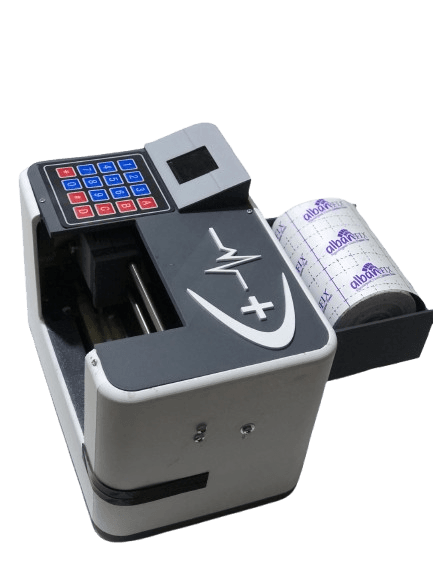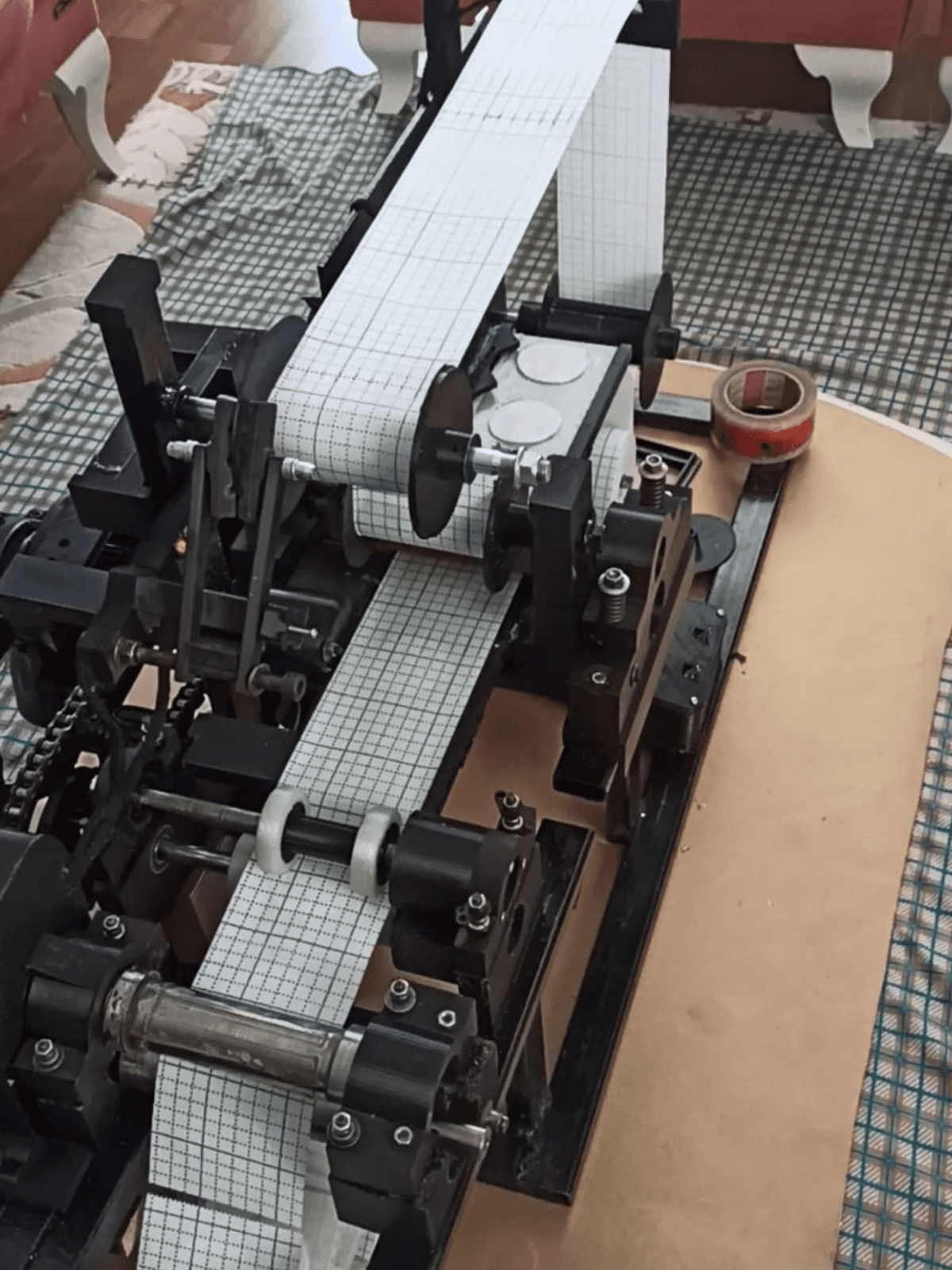
The distance between an idea and a product
People ask me "can you make this machine?". The answer is almost always yes. But saying yes is not enough; there is a long process in between.
Stage 1: Understanding
The first two questions are always the same:
- What will it do? (understanding how the work actually proceeds)
- When, how much, how many? (a realistic capacity expectation)
Starting the design before these two questions are answered is the most common and the most expensive mistake.
Stage 2: Dimensions and constraints
Material dimensions, machine position, electricity, air and the range of motion of the human hand. These constraints define the frame of the design; trying to change them later is very expensive.
Stage 3: Fusion 360 design
I model the parts one by one. For critical parts I do assembly interference checks and motion analysis. The mistake most often made here is designing the mechanism "beautifully" and overlooking material tolerances in production.
Stage 4: 3D printed prototype
I print the critical mechanisms in PLA. Blade, grip, moving part — these are tried in plastic first. Because the cost of an error is very different between a 10-minute print and ₺5,000 of metal machining.
Stage 5: Revision
There are always at least two rounds here. Sometimes three. This is normal; manufacturing a machine with zero revisions is a legend.
Stage 6: Electronics
Sensor selection, motor driver, power distribution and safety logic. My rule in the safety logic is: a motor does not run until its position is verified.
Stage 7: Software
The code is the brain of the machine. Making the parameters adjustable from outside allows the machine to be used for different jobs. Writing fixed code condemns the machine to a single job.
Stage 8: Assembly and test
Continuous testing, then sample approval, then delivery. Shortening the test means the product fails in 5 years.