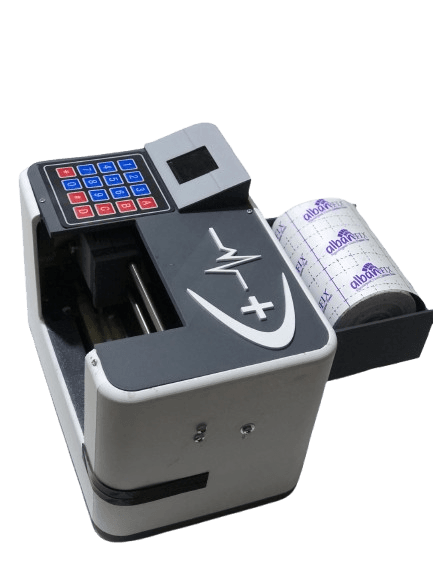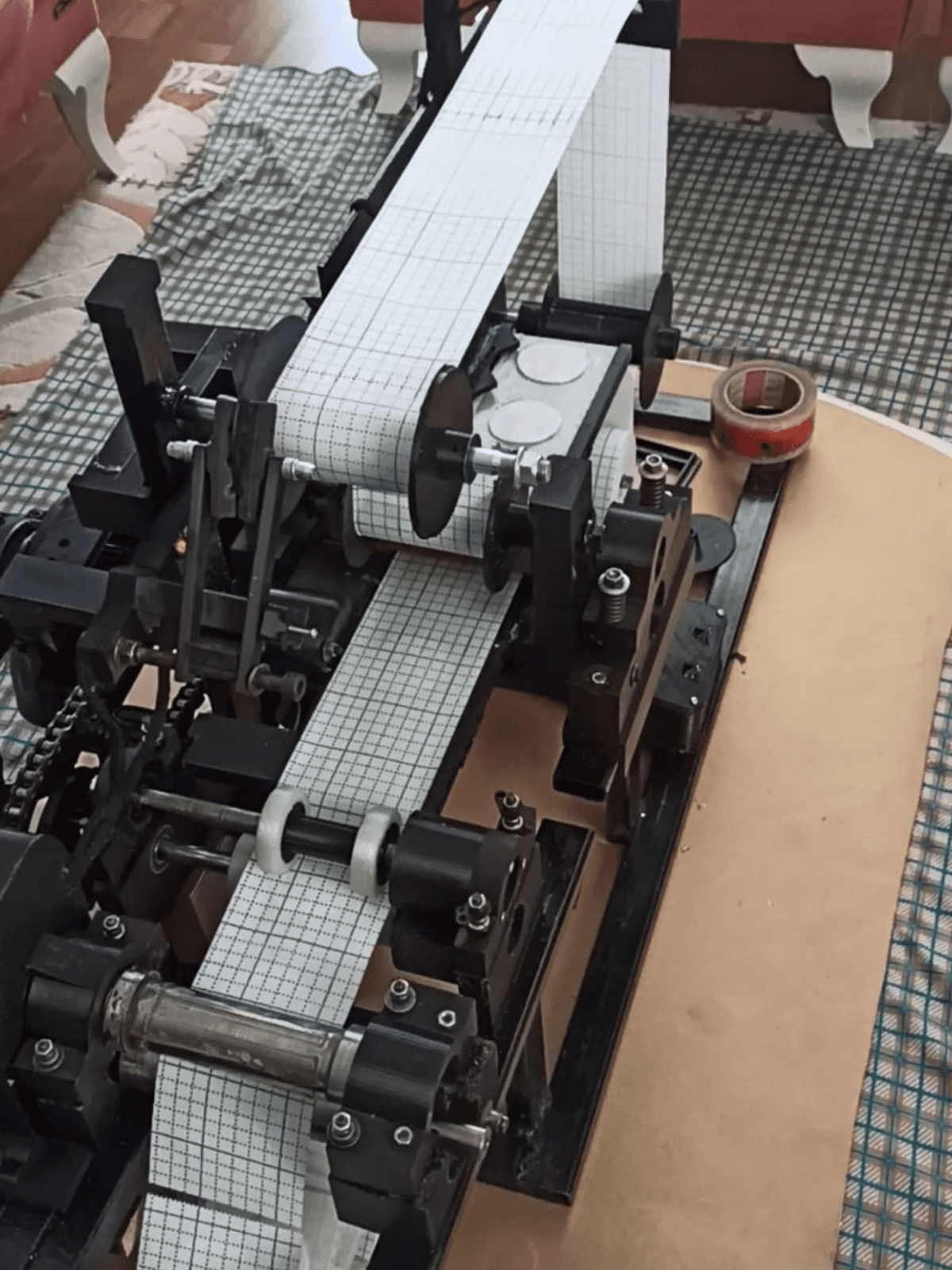
The "let's copy the imported device" misconception
The reason an imported device is often cheap is not usually manufacturing, but the distribution layer: intermediary companies, customs, spare part stock, technical support and the service network.
Once you remove this layer, the manufacturing cost of the same device turns out to be much lower than expected.
Where is the real cost?
- Service: A 2–6 week wait is expected for a fault on an imported device. Production stops during this time.
- Spare parts: The import price of the same part can be far above the original.
- Software lock: You have to load proprietary software onto a control board; replacing the part is not enough.
- Need mismatch: The device is general purpose but does not fit your work.
What changes with local production?
1. Instant service. If a problem occurs, you bring the device to the workshop; I intervene. There is not even a shipping time.
2. Spare parts can be manufactured. Printing a PLA part on a 3D printer is both faster and cheaper than waiting for an imported part.
3. Adapted to the need. Instead of copying the device exactly, I can modify it according to your workflow.
4. The software stays with you. The control software code is with me. Even if the board is replaced, the device keeps working.
Then why does it take so long?
Because manufacturing a device goes through all of these steps:
- Understanding the need and clarifying the dimensions
- Design and simulation in Fusion 360
- Prototype and test with 3D printing
- Mechanical revision (usually 2–3 rounds)
- Electronic design and board manufacturing
- Software development and calibration
- Assembly, test, sample approval
Saying "hurry up" during this process means the device fails in 5 years. Production has to be right the first time.
Result
Local production may look a little more expensive at first. But the total cost over the life of the device is always lower — because you do not wait in line when you send it for service.