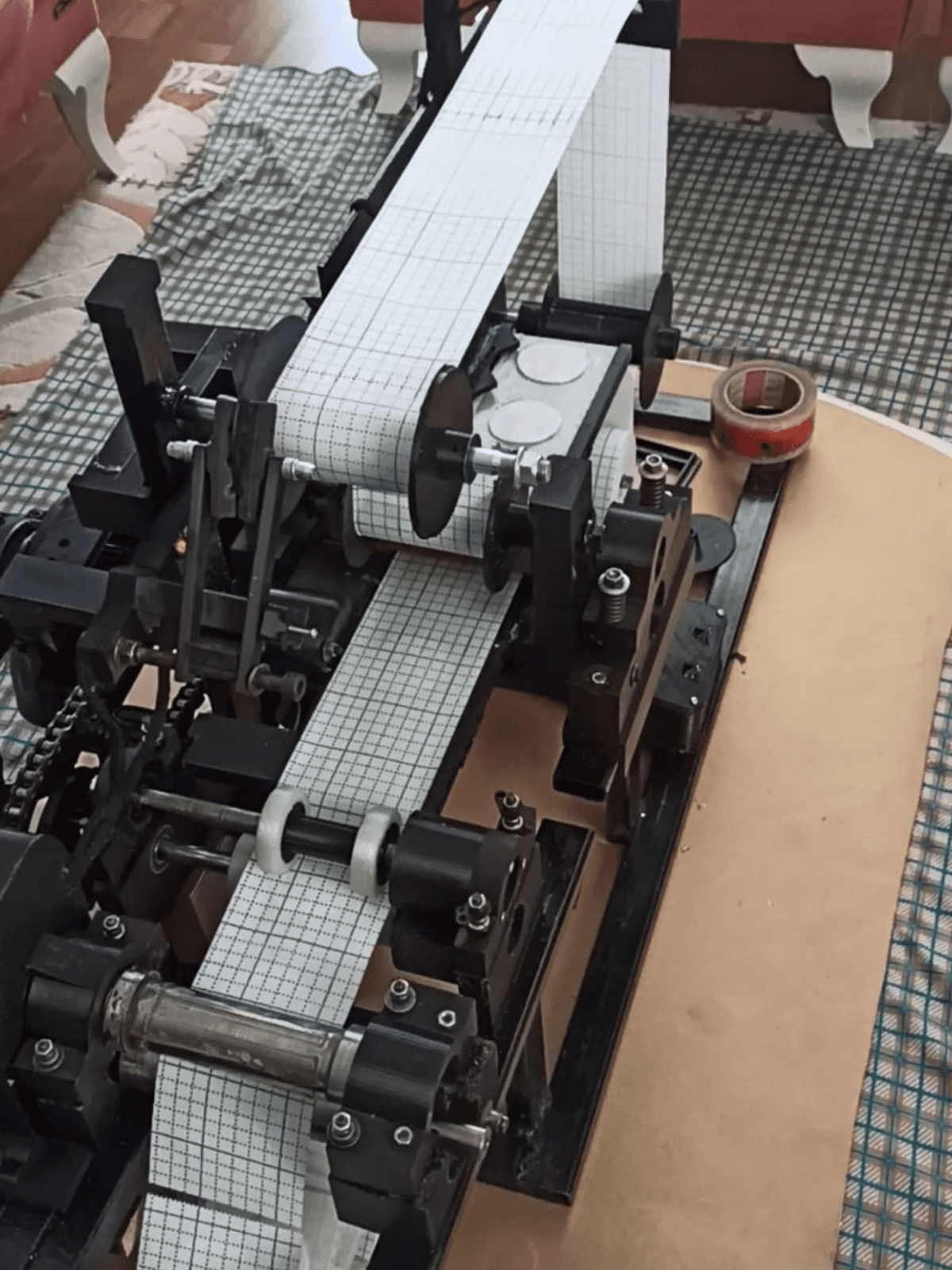
Why 3D printing?
Having a mould made for a machine part is both expensive and slow. 3D printing puts the prototype in your hands on the same day.
Material selection
| Material | Strength | Flexibility | Use |
|---|---|---|---|
| PLA | Medium | Rigid | Body, cover, bracket, prototype |
| PETG | High | Medium | Parts carrying mechanical load |
| TPU 95A/98A | Low | High | Seal, hose, grip, sponge |
| SLA | Very high | Rigid | Precision gear, channel, sealing element |
Practical decision: when to use which?
PLA for bodies and covers. Fast, cheap and rigid enough. If the part is continuously exposed to heat, switch to PETG.
TPU for seals and grips. TPU provides the flexibility PLA cannot. A seal printed in PLA cracks in the first cycle.
SLA for precision gears. On gear parts even the layer orientation changes the result; thanks to its surface smoothness, SLA can hold the working clearance.
Keep the loop short
The biggest gain is not printing faster, but testing faster. If you can print a mechanism in PLA and try it in five minutes, you catch the error before moving to the real material.
Practical tip
Think about the print orientation when designing a part. A part printed on its wall is far stronger than the same part printed flat — because the interlayer separation does not carry the load.